Local Steven Gerald Warkel brings Roseville origins to 'Small Talk' film
From roots to fruition


“I just love this place,” said Steven Gerald Warkel, nonchalantly resting against the padded navy booth at Keys Cafe.
On the choice to set his feature film “Small Talk” in Roseville, Minnesota, he mused over the quiet aspiration to bring his hometown to the screen.
“I wasn’t trying to force it, but I thought if I could ever film something here, it’d be really cool. I didn’t know it would actually work out.”
When the opportunity arose for him to adapt his college senior thesis short film into a full length feature, Steven figured home-base accessibility would make for a stronger micro-budget pitch. It worked. Once funded as a $100,000 project with an executive producer, Steven considered his strong local creative network, his favorite old haunts, and ultimately, directed it in his own backyard.
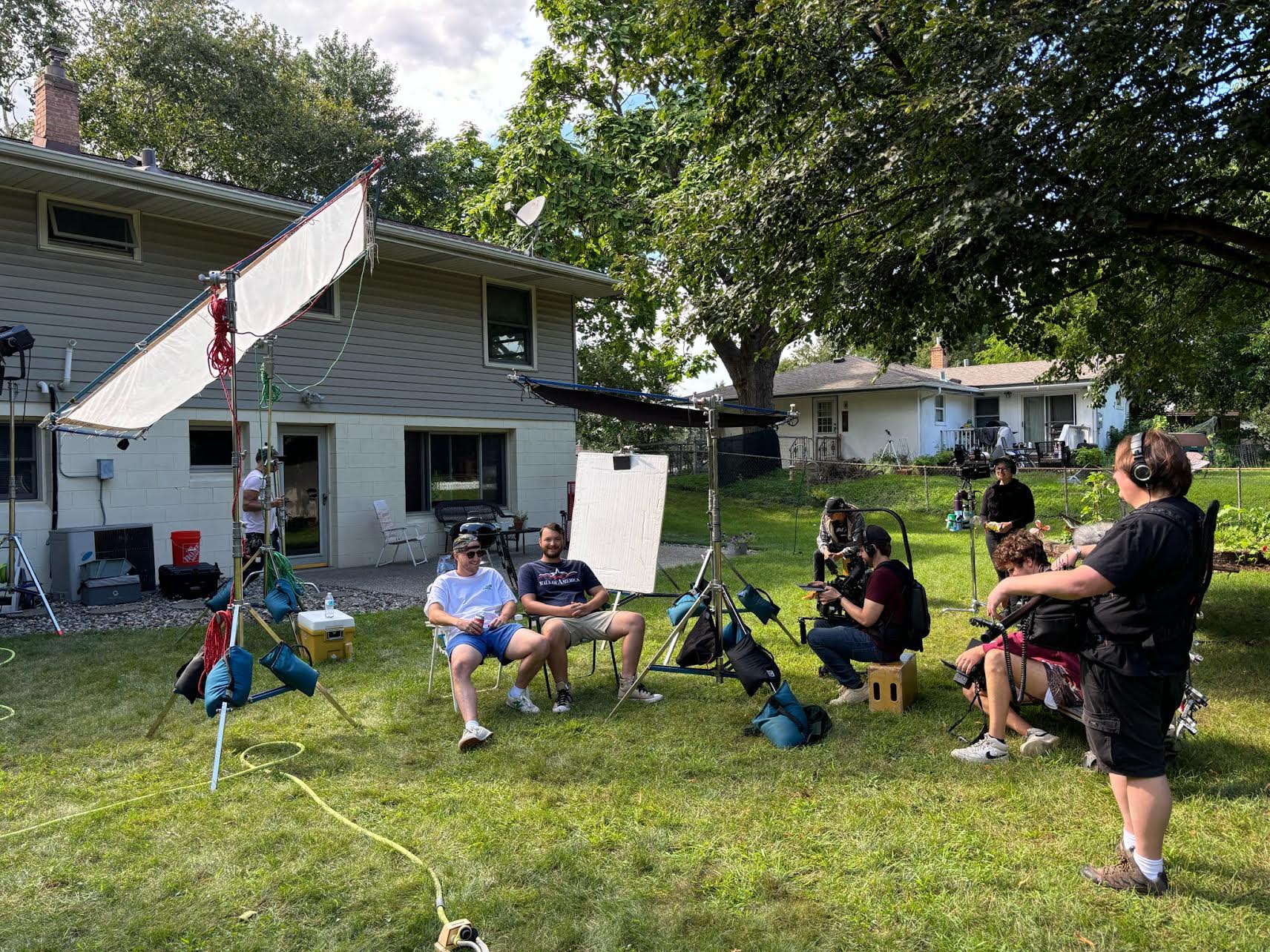
“Small Talk” is a coming of age comedic drama that follows Travis through his move back to the Twin Cities. He struggles to accept his current circumstances.
Hiding behind nostalgia, he looks to avoid thinking about his future and a parent’s potential terminal illness. Set in a bright midwestern summer, the melancholic tenor of the film is lifted by dry, awkward humor and sincere connection.
It will be screened at the 17th Annual Twin Cities Film Fest, which runs from October 15 to October 24, 2026.
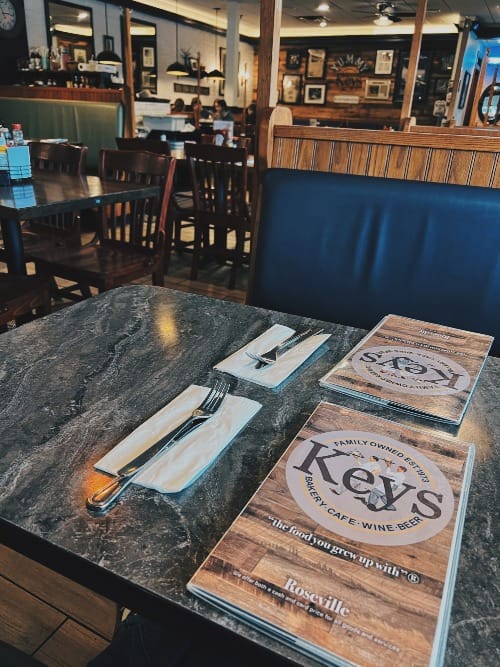
Meeting over French silk pie and coffee at Keys Cafe, the nexus of Lexington and Larpenteur, Steven and I discussed his evolution as a filmmaker, the premise and themes of the movie, and what he hopes audiences might take away from it.
A few highlights from our conversation, edited for length and clarity, follow.
Small Talk
Q: What was the inspiration for the story—and what is it about?
SGW: “The story really came from my experiences over the years.
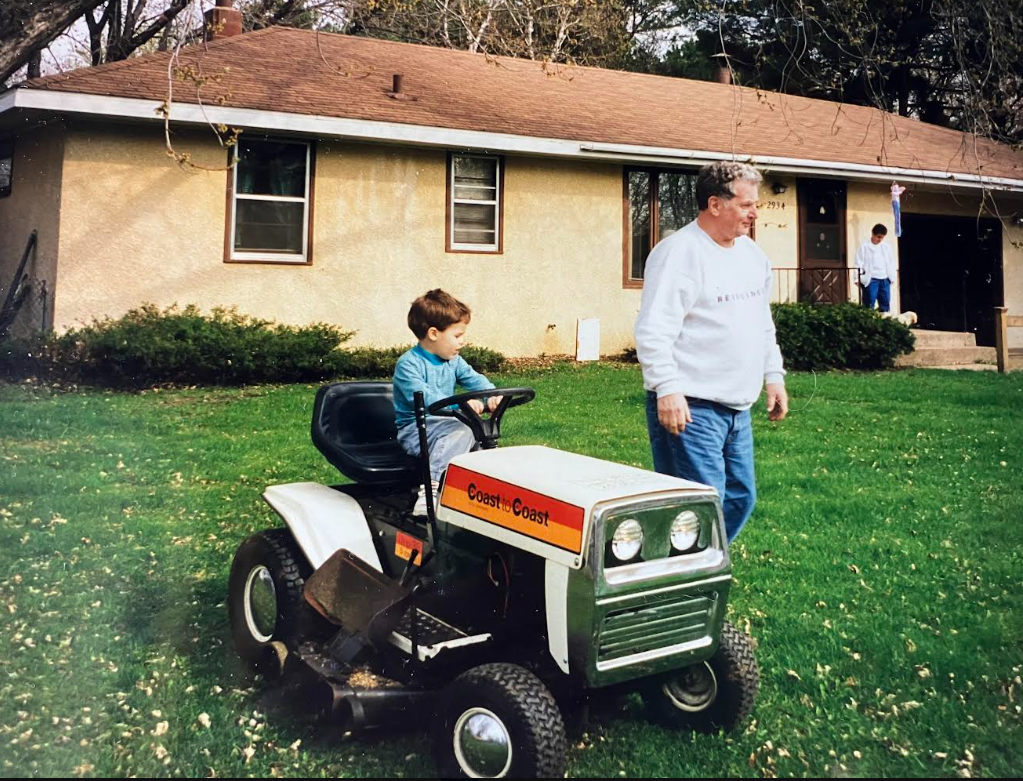
When I was in college, I had some grandparents pass away, just from old age and whatnot.
The film is more or less about this person who is maybe not totally happy with where they are in life right now. They’re 30-something, figuring things out. Then, on top of that, there’s a major, potentially terminal illness in a parent.
It touches on needing to accept grief.
More specifically, accepting grief when you’re fortunate enough to be able to say goodbye to someone…when you’re going to visit someone…and this is the last time you’re going to see this person.
It’s heavy. And it’s nice to have that opportunity, but it’s also a lot.
I wanted to make something that examines the process of accepting grief itself, accepting someone leaving your life, all while feeling a bit lost, personally.”
Q: Are there scenes in the film that are particularly personal?
SGW: They’re all a little bit personal.
“It’s not an autobiographical movie by any means, but there are certain elements where it’s like, 'Okay, I had this experience. I’m going to pull from that idea and shift it a little bit.'
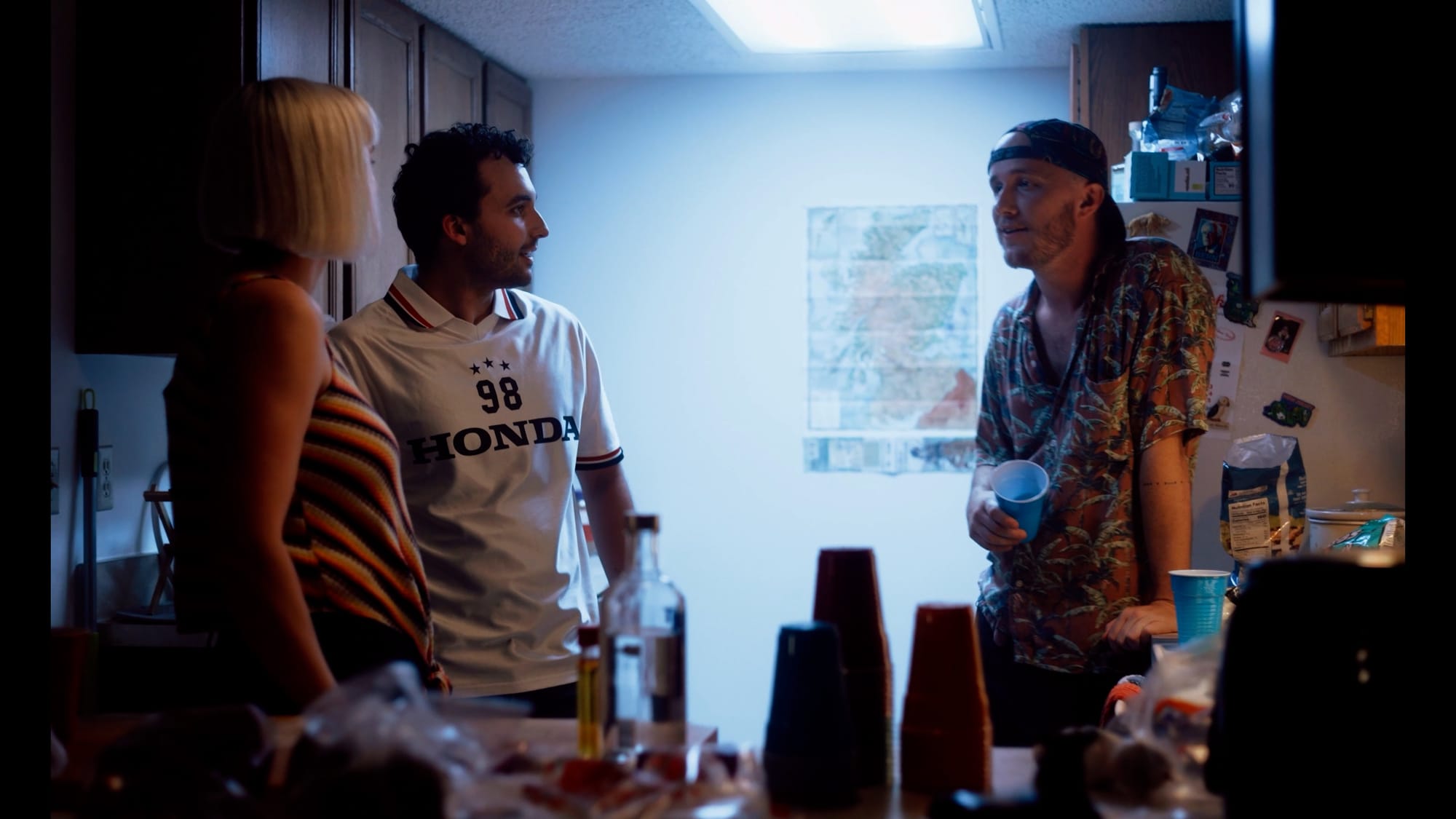
For example, I worked at a restaurant when I was in high school and early college. I had a lot of good experiences, a lot of awesome managers and staff. There’s some stuff that’s loosely based on conversations I’ve had there.
Some of the grief stuff is similar. I didn’t necessarily go through it exactly like the character in the movie. In the movie, it’s about his mom. My mom is healthy, fortunately, right now, so I’m very grateful for that.
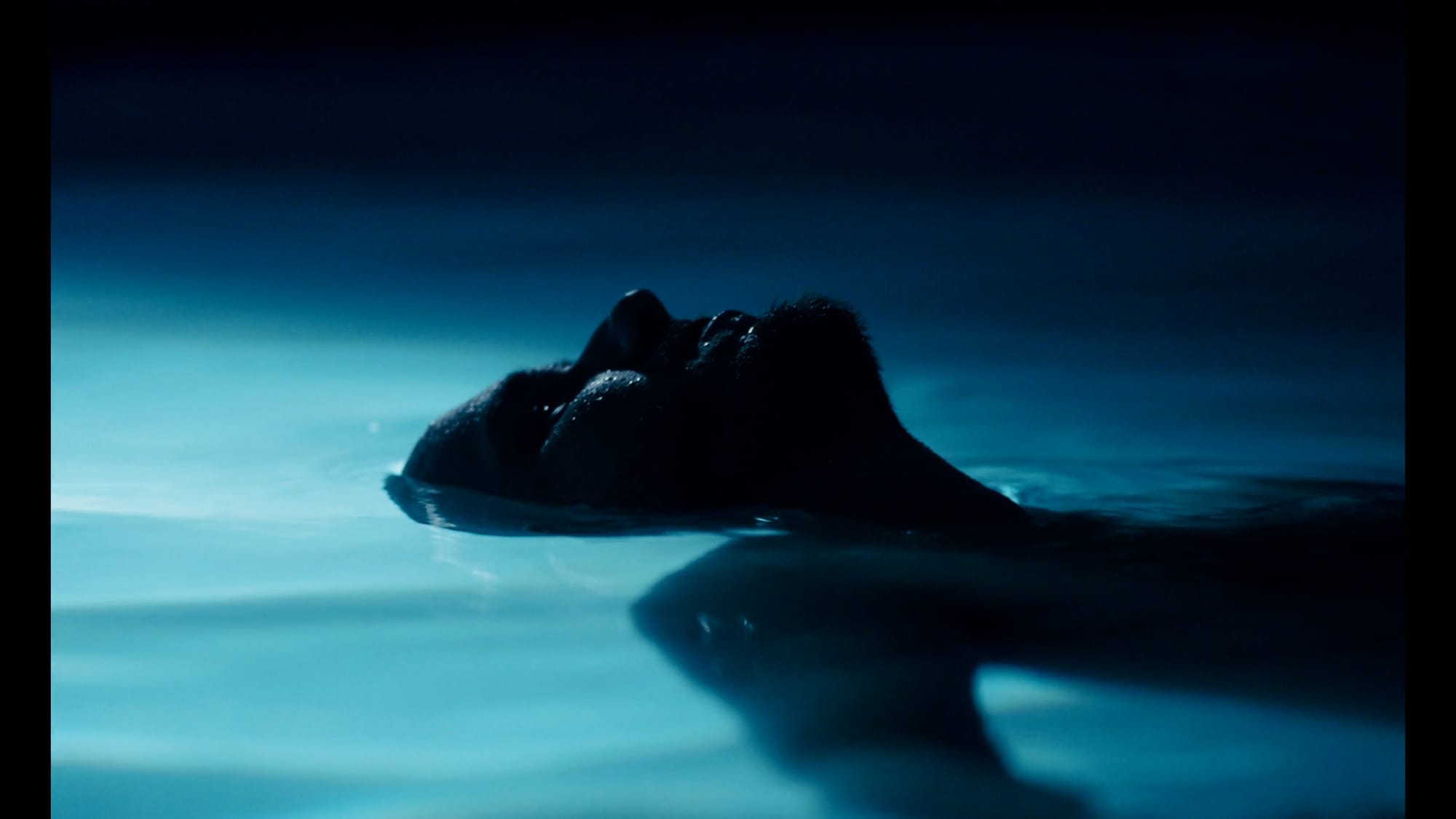
There’s also a dream sequence in the movie somewhat similar to one I had about a grandparent. The context of that dream is different, and how he feels about it versus how I felt about it.
Honestly, a lot of it was, “‘I love walking in this park, so let’s film a scene where you’re walking down that path that I love.’”
That’s kind of fun.”
Q: What do you hope audiences take away from the film?
SGW: “The biggest thing to me is that the movie is very much about the fact that it’s okay to not be okay.
You don’t have to bury that.
A lot of us, if you’re going through something or something’s bothering you, your inclination is not to ask for help or even voice that you’re not doing well.
The story explores how you can’t ignore things forever.
You can’t outrun things.
A situation might suck, but we’re all going to go through things and it matters to have the right people around you.
Whether you are that friend someone can lean on, or that family member, or you’re the person who needs someone to lean on.
I think that’s the biggest message.
Even if you look at the movie and you’re like, “Well, I wouldn’t do what he did,” or “I haven’t been in that exact situation,” you can still relate to the fact that it’s a movie about accepting your circumstances versus trying to live in the past.
Another thing in the movie is nostalgia.
I love Roseville. I look really fondly back on my time growing up here.
I love nostalgia. You know, ‘I love this movie, I love this video game, I love this book!’
The movie celebrates that, in all its coziness, but there’s also a theme of death by nostalgia.
Things change.
You can’t sidestep the future, no matter how uncertain or scary it is, or how little faith you have in it.
It’s the future, and it’s coming.
It’s good to have things that you look back on fondly, because that means you had good times, and it builds up who you are.
But you can’t live in it.
You have to meet the future halfway.”
Full Circle Moment
In many ways, the film is a reflection of the people, places, and experiences that have shaped Steven as a filmmaker, which began in a relatively small radius from where “Small Talk” was set.
A 2013 graduate of Roseville Area High School, he credits a film class taught by English teacher Mr. Engleking with inspiring him to explore the medium. He went on to study film at Moorhead State University, where he developed his craft and built a network of friends and collaborators who would eventually help bring this movie to life.
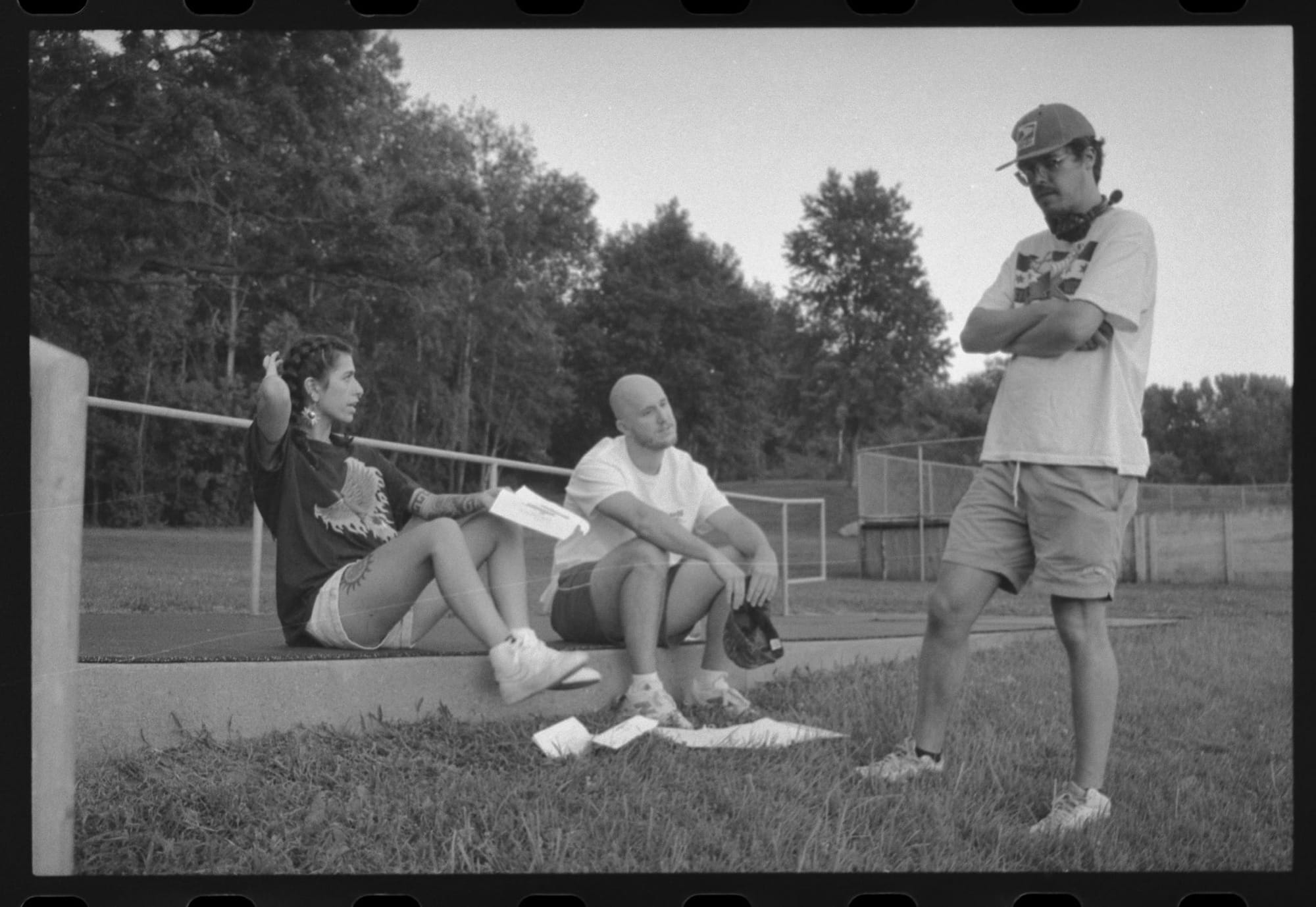
Among them was Matt Kotlan, Steven’s college roommate, good friend, and longtime collaborator, who helped create the original short film and served as an assistant director on the feature.
“I think the visuals in the movie are a love letter to Roseville and its hidden pockets of paradise, the Harriet Alexander Nature Center being one of them,” said Matt, recalling the boardwalks as a particularly memorable filming location.
For Nick Briewer, who met Steven in college and has portrayed the film’s protagonist, Travis, filming in Roseville offered a glimpse into the places that shaped his longtime friend.
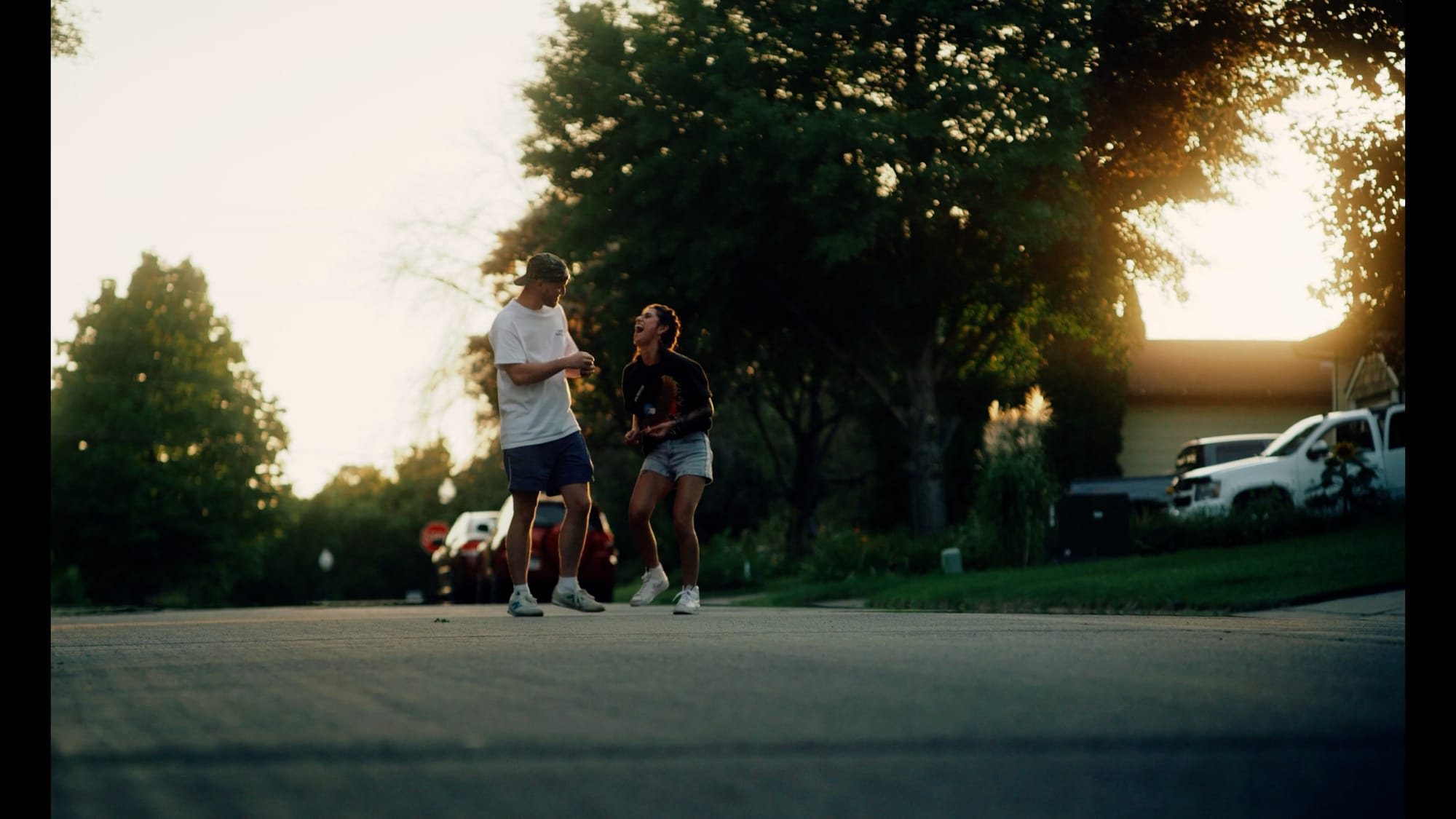
“We shot in parks that he used to play at, walked neighborhoods he knows like the back of his hand and hung out at bars he drank with his old buddies. It felt like I got to meet my friend all over again,” Nick said.
The familiar surroundings also reflected the nostalgia at the heart of the film.
“Roseville felt nostalgic of a childhood I miss. Simpler times. Slower pace,” said Nick, who grew up near Fargo, North Dakota.
Yet, as Steven explained, “Small Talk” is as much about moving forward as it is about looking back.
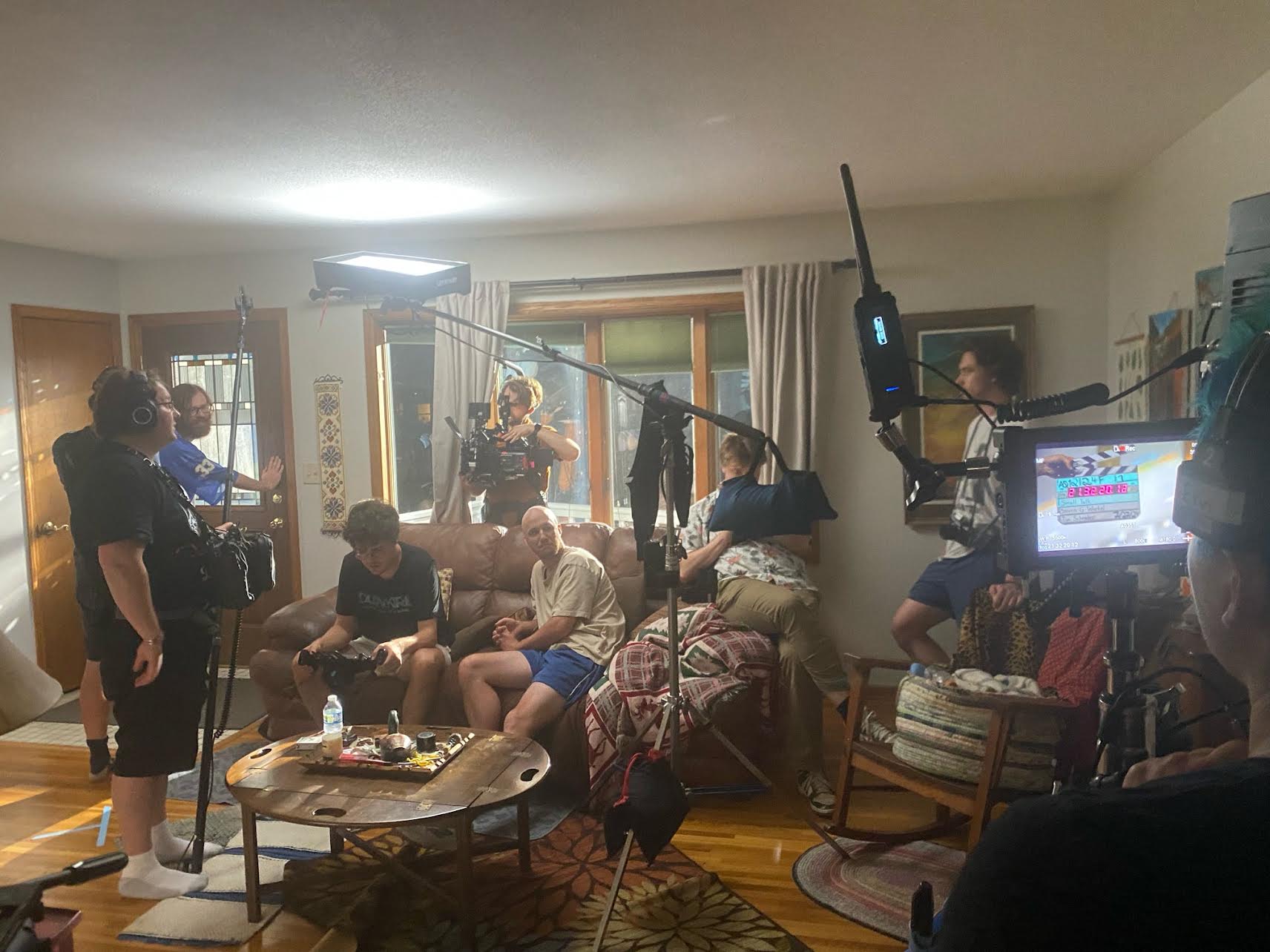
“It’s a story about reconnecting with the past while accepting that time keeps moving forward,” said Gael Palen, a friend, who plays Sam in the film and first met Steven while auditioning for an earlier project. “It won’t always wait for you to be ready, but that’s why we have community.”
That sense of community, woven throughout the film, is something its cast and crew recognize in Roseville itself.
“Roseville makes a great canvas for a Midwest hometown story,” said Matt. “Small talk captures the Midwest feeling so well that almost anyone in this area can recognize and relate to it.”
Although completing a feature film represents a significant accomplishment, Steven is content to pursue filmmaking as a passion rather than a full-time career, at least for now. And despite the industry’s concentration in larger cities, he has little desire to leave the Midwest, where the communities, relationships, and opportunities to tell stories hold greater appeal.
“I just wanted to make something cozy, fun, personal, that I would like to watch 10 years from now,” shared Steven, at the cafe.
For a filmmaker whose first inspiration came from a Roseville classroom, bringing a feature film back to the place where it all began is something of a full circle moment.
Buy tickets to see the movie
“Small Talk” will be screened on Friday, October 23, 2026 at 5:00 PM in the Marcus West End Cinema - #14. Buy tickets in advance to secure a spot to see the movie here: Small Talk Tickets.
To learn more about the film, cast, and crew, visit their page on IMDb or follow them on Instagram at @smalltalkthemovie.