Roseville City Council campaign spending in the 2026 Election
A look at campaign finance reports at the local level

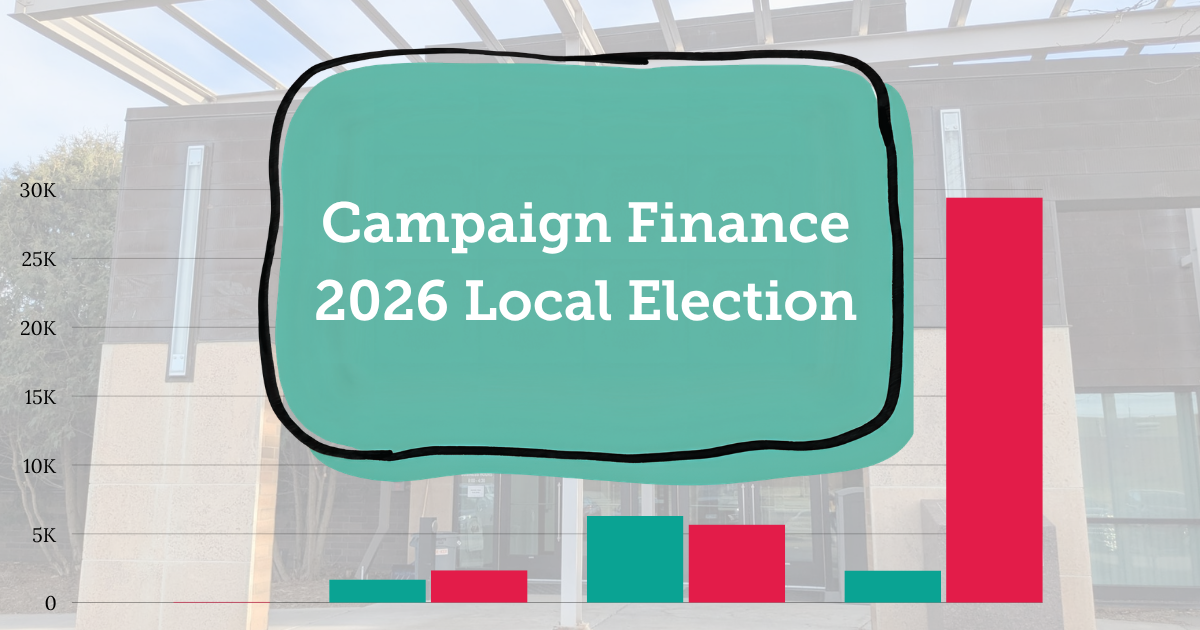
Election spending is at an all time high in Minnesota in statewide races. Locally, the financials look lopsided.
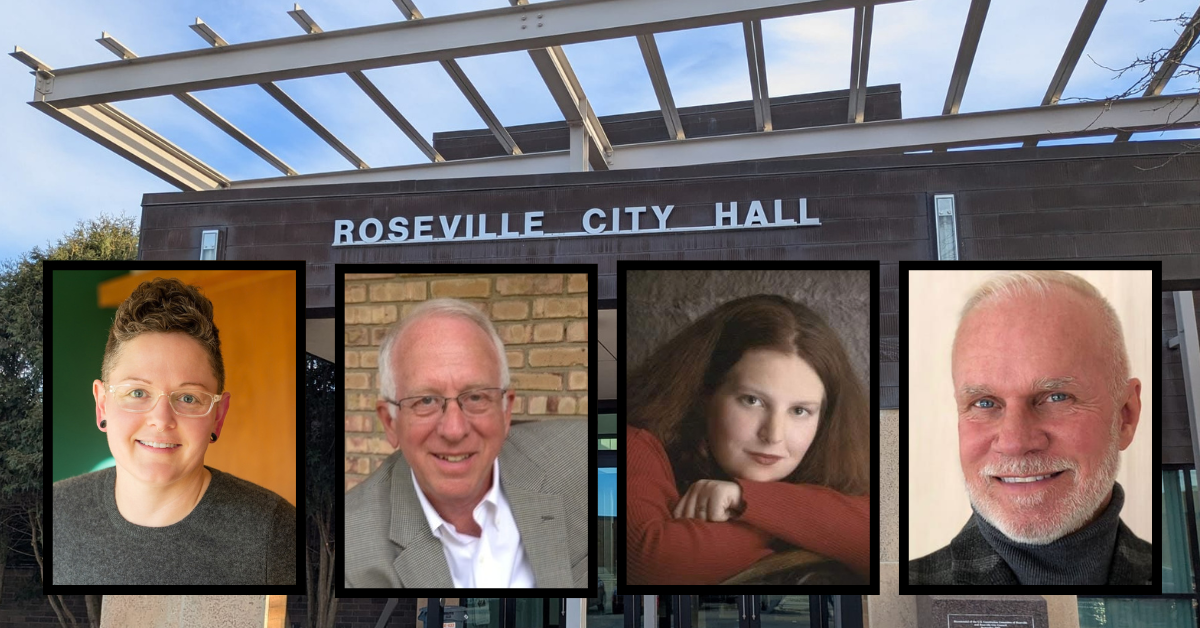
There are four candidates running for Roseville City Council and two candidates running for Roseville Mayor. Of those running for the two city council seats, one candidate has far outspent the rest.
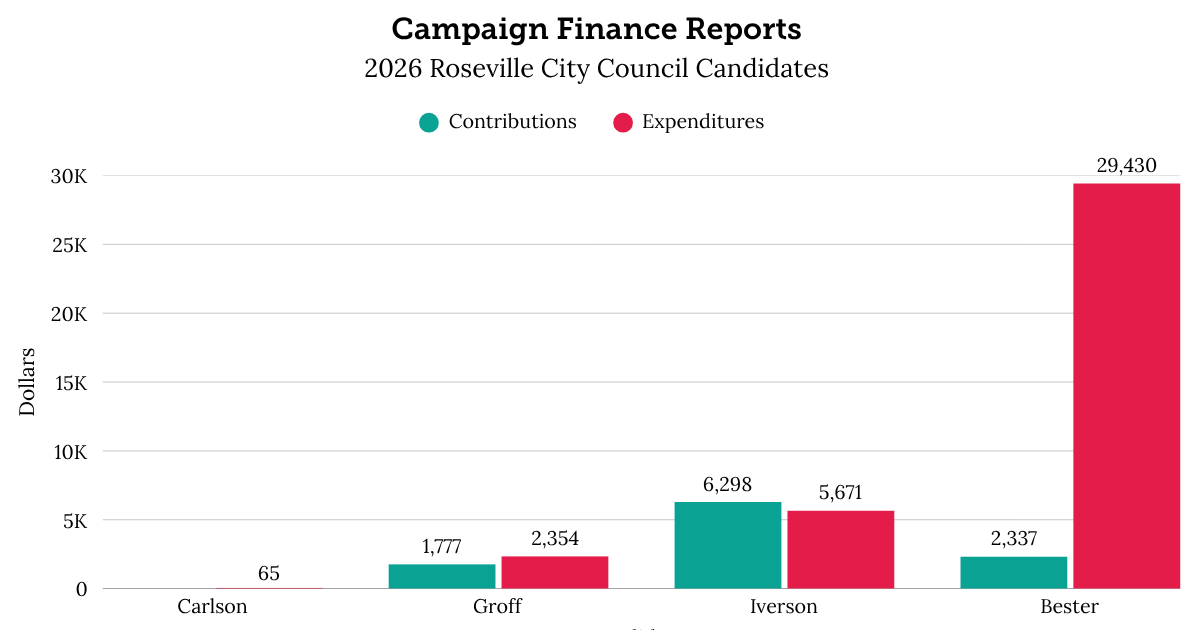
Here’s the breakdown of contributions and expenditures for each campaign:
There are limits to how much an individual is permitted to donate to a candidate’s campaign, according to Minnesota campaign finance law. During non-election years, individuals can donate up to $250. During an election year, an individual can donate up to $600. There is no limit on how much candidates can spend of their own money in municipal races.
Campaign finance breakdowns
Bruce Bester received $2,337 in campaign donations from eight disclosed individual donors. Four gave between $400-$600 each. The rest were smaller donations of $100 or less. Bester has not yet reported where the funding is coming from for the rest of his expenditures or if he is self-funding his campaign.
Bester’s $29,430 of reported expenditures covered printing and postage for campaign fliers to voters in Roseville, for a total of $26,061 for both mailers. The rest of the expenses were primarily for yard signs, T-shirts, and his campaign website, according to his Pre-General Report.
Bester did not return a request for comment.
Cassie Iverson has raised the most money from campaign contributions, for a total of $6,298. She received $5,671 in donations. Sixty-four individual donors contributed 50-200 dollars each. Iverson also received $500 from Carpenters Local #322 PAC, $272 from Senate District 40 DFL, and $300 from North Central States Regional Council of Carpenters PAC #5400.
Iverson’s campaign has spent $5,671. Of that, $4,000 was for printing, advertising, and campaign supplies. An additional $1,500 was spent on yard signs.
“I committed at the start of this campaign to only spend what I raised. Other than the $5 fee I paid the city to file, every dollar I’ve spent has come from supporters, including neighbors here in Roseville and friends and family who believe in this campaign. I’ve put it toward building name recognition and, most importantly, talking with residents face to face. Our campaign has knocked on 4,200 doors (and counting!) across Roseville, with volunteers and me out talking to residents about what matters to them.
“A campaign’s strength should come from the trust it builds, not the size of its budget. The privilege of serving this community isn’t something bought. It’s something earned,” Iverson said in a statement.
Wayne Groff started the year with $739 in his campaign account and received $1,777 in contributions. Of that, $272 were from donations between $51-$600 and the rest were less than $50
Groff disclosed five individual donors who contributed between $100-$250 each. He received $242 from Senate District 40 DFL. The rest were from individual donors who contributed less than $50 each.
Groff’s campaign spent $2,355, mostly on a campaign flier which he handed out to residents while door knocking.
“I am still door knocking and find most people appreciate the information that can be given at the door. They also appreciate the opportunity to speak with the candidates in an informal and personal way about what is happening in their neighborhoods,” Groff said via e-mail.
Rebecca Carlson did not raise any funds and her only expense was $65 for T-shirts, stickers, and the candidate filing fee.
“I have fully funded everything for my campaign out of my own pocket because I felt as though city council is a level of office that a candidate could fund on their own, however, I also feel it is still perfectly acceptable for candidates to accept donations from willing backers,” Carlson said in an email.
Mayoral candidates
There’s not much to report about the mayoral race. Neither candidate raised or spent more than $100.
Dan Roe’s campaign account started with $154.07 in January 2026.
“I'm not taking any contributions since that way, I don't owe anyone any favors. I have encouraged others running for city council in Roseville to self-fund their campaigns, if possible,” Roger B. Hess Jr., a candidate for mayor, said in an email.
Roe, who is running for re-election for mayor, did not comment except to point out that Roseville has a local ordinance requiring “a one-year reporting period for contributions totaling over $50 in that year.”
The local ordinance requires candidates to report the name, address, employer, or occupation if self-employed, of any individual, committee, or organization that donates more than $50.
During the 2026 Legislative Session, new home privacy protections were added to Minnesota’s campaign finance law, which classifies home addresses of candidates and individual donors to campaigns as “non-public data.”

Campaign Finance Reporting
State law requires campaigns to file reports 10 days prior to the Primary and 10 days prior to the General Election.
Candidates will file campaign finance reports again after the election. Post-General Election forms are due 30 days after the General Election. If their account remains open, candidates must file a January report which is due Jan. 31 of each year.
Roseville’s campaign finance reports are managed and stored by Ramsey County. Currently, all current and previous election campaign finance reports are unavailable on the website until Ramsey County can redact addresses from the reports. You can get access to campaign finance reports by making a formal data request or waiting until November when the County re-posts them.
Under Minnesota Campaign Finance law, individuals who spend money to advocate for or against candidates or ballot measures independent of campaigns do not need to report their financials. They do need to label printed material indicating it was paid for independently, not on behalf of a campaign.


 Naomi Krueger
 Naomi Krueger